how to check septic tank for odor leaks

Comprehensive Guide to Detecting Septic Tank Odor Leaks

The presence of unpleasant odors emanating from a septic system is a clear indication of a potential problem, often suggesting a leak in the system's components. These leaks can pose significant health risks and environmental concerns, necessitating prompt detection and remediation. This comprehensive guide outlines the methodologies for systematically investigating and identifying the source of septic tank odor leaks, enabling timely and effective corrective actions.

Understanding Septic System Odor Sources

Before embarking on the odor detection process, it's crucial to understand the potential sources of unpleasant smells within a septic system. These odors are primarily caused by the anaerobic decomposition of organic matter within the tank and drain field. However, leaks can exacerbate this issue by allowing these gases to escape into the surrounding environment. The most common sources of septic tank odors include:

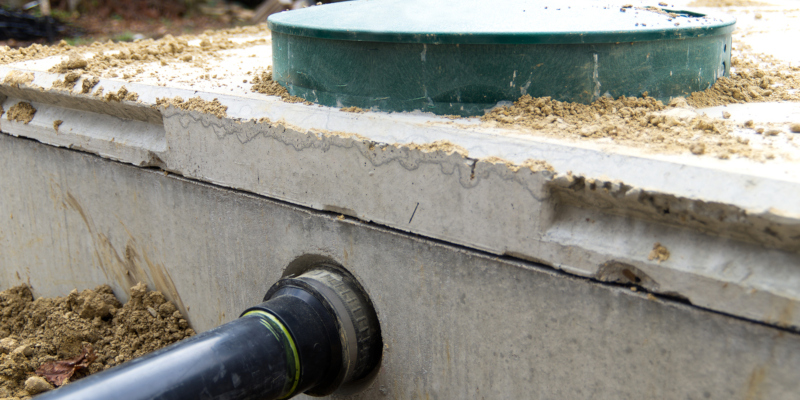
  • Tank Leaks: Cracks or breaches in the tank itself can release gases and wastewater directly into the surrounding soil. This is often accompanied by visible signs of saturation or discoloration of the soil.
  • Lid Leaks: Improperly sealed or damaged tank lids can allow gases to escape into the atmosphere. This is often a simpler issue to address than a tank leak.
  • Pipe Leaks: Leaks within the plumbing connecting the house to the septic tank, or within the effluent filter or distribution system, can similarly release foul-smelling gases.
  • Drain Field Issues: A clogged or failing drain field can cause wastewater to back up and release odors. This is often indicated by standing water or unusually saturated soil around the drain field.
  • Vent Pipe Problems: A clogged or improperly installed vent pipe can restrict the release of gases, causing pressure buildup and potential leaks elsewhere in the system.

The type and intensity of the odor can often provide clues about the location of the leak. A strong, concentrated odor near the tank suggests a tank or pipe leak close to the house, while a more diffuse odor near the drain field indicates a problem within the drain field itself or the distribution box.

Visual Inspection and Initial Assessment

The first step in detecting septic tank odor leaks involves a thorough visual inspection of the entire system. This initial assessment helps identify any readily visible signs of problems.

Inspecting the Tank and Lid

Begin by carefully examining the septic tank itself. Look for any visible cracks, fissures, or damage to the tank walls or base. Pay particular attention to areas where the tank is exposed to the elements or where the soil might have eroded. Inspect the lid for cracks, damage, or improper sealing. Look for signs of soil erosion or settling around the tank, which could indicate a leak.

Assessing the Pipes and Connections

Next, trace the pipes leading from the house to the tank, and from the tank to the drain field. Check for any visible leaks or damage along their length. Examine all connections, paying close attention to joints and fittings, where leaks are most common. Look for stains or discoloration of the soil that might indicate wastewater leakage.

Evaluating the Drain Field

Inspect the drain field area for signs of saturation, standing water, or unusually lush vegetation. These are all indicators of potential problems within the drain field. Observe the soil for any signs of discoloration or unusual settling. Note any signs of water pooling or surface runoff, which could indicate improper grading or blockage.

Advanced Detection Techniques

If the visual inspection doesn't reveal the source of the odor, more advanced detection techniques may be necessary. These methods offer a more precise determination of the leak's location.

Odor Tracing with a Smoke Test

A smoke test is a relatively straightforward method for pinpointing leaks in the piping system. A non-toxic smoke is introduced into the system, and its escape points indicate the location of leaks. This method is particularly effective for detecting leaks in pipes buried underground or within the walls of a structure.

Dye Testing

Dye testing involves adding a non-toxic, brightly colored dye to the wastewater entering the septic system. By monitoring the dye's movement, you can track the flow of wastewater and identify any leaks along the route. This method is useful for pinpointing leaks in pipes, the tank, or the drain field.

Soil Sampling and Analysis

Soil samples taken around the septic system can be analyzed for elevated levels of contaminants, including nitrates and fecal coliforms. High levels of these contaminants in the soil indicate potential wastewater leakage. This method helps determine the extent of the contamination and the location of the leak.

Professional Assessment and Remediation

If the odor persists despite your own investigations, it's crucial to consult a qualified septic system professional. A professional possesses the expertise and specialized equipment necessary to conduct a thorough evaluation, accurately diagnose the problem, and implement appropriate remediation strategies. They can perform more sophisticated tests, such as using advanced cameras to inspect the inside of the pipes, or using ground-penetrating radar to locate underground leaks.

Important Note: Attempting to repair a septic tank leak yourself can be dangerous and may further exacerbate the problem. Septic tanks contain hazardous materials, and improper handling can lead to serious health risks and environmental damage. Therefore, it is strongly advised to seek professional assistance for any suspected septic tank leak or odor issue.

Preventive Maintenance

Regular preventative maintenance is essential in avoiding septic system odor leaks and ensuring the longevity of the system. This includes:

  • Regular Pumping: Schedule regular pumping of the septic tank to prevent sludge buildup and potential overflow.
  • Inspection and Cleaning of the Tank: Periodic inspections allow for early detection of potential problems, such as cracks or leaks.
  • Proper Wastewater Management: Avoid putting inappropriate materials, such as grease, chemicals, or excessive amounts of paper products, down the drains.
  • Regular Drain Field Inspection: Monitor the drain field for signs of saturation or other issues.

By following these guidelines, and seeking professional assistance when necessary, you can effectively detect and address septic tank odor leaks, safeguarding the health of your family and the environment.
Share:

The Septic Tank Smell Remover That Finally Worked for Me

The Septic Tank Smell Remover That Finally Worked for Me

The Septic Tank Smell Remover That Finally Worked for Me!

Okay, friends, let's talk about something nobody really *wants* to talk about: septic tank smells. That awful, gag-inducing odor that can creep into your home and ruin a perfectly good day. I've been there. I've battled that stench for years, trying everything under the sun. Expensive enzyme treatments? Check. Baking soda and vinegar concoctions? Double-check. Even that ridiculously strong drain cleaner my neighbor swore by? Yep, tried it too. Nothing. Absolutely nothing seemed to work long-term. The smell would come back, often stronger than before, leaving me feeling defeated and frankly, a little desperate.

But then, I stumbled upon something that actually, finally, worked. And I'm so excited to share it with you because I know how frustrating this problem can be.

My Septic System Saga: A Tale of Woe (and Triumph!)

Let me give you a little backstory. We live in a beautiful, slightly older home, nestled on a good-sized lot. The property is amazing, but the septic system... well, let's just say it's seen better days. For years, we'd get these intermittent bursts of that truly vile septic odor. It would waft up from the drains in the bathrooms, sometimes even seeping into the basement. It was embarrassing to have guests over, and honestly, just made living in our own home unpleasant.

I started with the usual suspects. I diligently researched online, reading countless forums and articles about septic tank maintenance. I learned about the importance of regular pumping (which we did), the potential for clogs (which we investigated and cleared), and the role of beneficial bacteria (which I tried to boost with various enzyme products).

The Products That Failed Me (and Why)

Here's a quick rundown of some of the septic tank smell removers I tried before finding my holy grail solution. Maybe you've used some of these too:

  • Enzyme Treatments: I tried several high-end brands, religiously following the instructions. They initially seemed to help, masking the smell for a few weeks, but then the odor would creep back, stronger than ever.
  • Baking Soda and Vinegar: A classic, right? I poured buckets of baking soda down the drains, followed by gallons of vinegar. It created a satisfying fizz, but sadly, did little to address the root of the problem. The smell persisted.
  • Commercial Drain Cleaners: I’ll admit, I was hesitant to use these harsh chemicals, but desperation led me to try one that claimed to be septic-safe. It did seem to clear a minor clog, but it didn’t eliminate the smell, and frankly, I worried about the long-term effects on my system.
  • Air Fresheners: This is more of a band-aid solution, obviously. I tried various air fresheners to mask the smell, but it was a losing battle. The stench was just too powerful, constantly poking through the artificial fragrances.

The Solution: My Septic Smell Savior!

After months of frustration, I was ready to call a plumber (and possibly burn the house down). Then, a friend casually mentioned using rid-x. Now, I know what you're thinking: "Rid-x? Isn’t that just for clogged drains?" Well, yes, it *is* designed to help break down waste in your plumbing system, but what I learned is that it also significantly improves the overall bacterial balance in your septic tank. And that's key to eliminating odors!

I was skeptical, but at that point, I was willing to try anything. I followed the instructions on the package, adding the recommended amount to my toilet once a week. And guess what? The smell started to fade! Slowly, gradually, but undeniably, the offensive odor dissipated.

It wasn't a miracle cure; it took a few weeks for the noticeable improvement to occur, but the results were astonishing. Within a month, the septic smell was almost completely gone! And the best part? It has stayed gone. I continue to use Rid-x regularly, and the improvement in my home's air quality is night and day.

Beyond Rid-x: Maintaining a Smell-Free Septic System

While Rid-x became my secret weapon in the fight against septic odors, it's important to remember that it's just one piece of the puzzle. Here are some additional tips for keeping your septic system happy and your home smelling fresh:

  • Regular Pumping: Get your septic tank pumped every 3-5 years (or more often if necessary). A full tank can lead to backups and odors.
  • Avoid Flushing Non-Biodegradables: Keep those wipes, cotton balls, and feminine hygiene products out of your toilets! They don't break down properly and can contribute to clogs and smells.
  • Be Mindful of Water Usage: Avoid overloading your system with excessive water usage at once. This can strain the system and create backups.
  • Inspect Your System Regularly: Keep an eye out for any signs of trouble, such as slow draining, soggy ground around your tank, or unusual odors. Address any issues promptly.
  • Consider a Septic System Inspection: A professional inspection can help identify potential problems before they become major issues and lead to costly repairs.

Frequently Asked Questions

I've gotten a lot of questions about my septic system experience, so I figured I'd address some of the most common ones here:

  • Q: How often should I use Rid-x? A: I use it once a week, as per the package directions, but you may need to adjust based on your specific needs and septic tank size.
  • Q: Does Rid-x work for all septic systems? A: It seems to work well for many systems, but it's always a good idea to check with a professional if you have concerns about your particular setup.
  • Q: Is Rid-x harmful to the environment? A: It's formulated with bacteria that are intended to break down waste naturally, so it's considered environmentally safe when used as directed.
  • Q: Will Rid-x clear a complete blockage? A: No, Rid-x is more of a preventative measure and a way to support the health of your septic system. It won’t clear major clogs, and for those, you’ll need professional help.
  • Q: How long did it take to see results? A: For me, it took about a month to see a significant reduction in the odor. Results may vary.
  • Q: Is Rid-x expensive? A: It's relatively affordable compared to other septic tank treatments I've tried. A container usually lasts several weeks or even months.

I hope my experience helps you in your own septic smell battle! If you have any other questions, feel free to ask. Let's get rid of those awful odors once and for all!

Share:

How Can I Keep My Septic Tank Smell-Free All Year Round?

How Can I Keep My Septic Tank Smell-Free All Year Round?

Conquering That Septic Tank Smell: A Year-Round Guide

Let's be honest, nobody wants their property smelling like a swamp. That distinctive, um, *aroma* emanating from your septic system is not only unpleasant but can also be a sign of underlying problems. So, how do you keep your septic tank smelling fresh as a daisy all year round? It's achievable, I promise! This isn't about masking the smell with air fresheners (which won't solve the actual problem!), but about proactively managing your septic system to prevent those offensive odors in the first place.

Understanding the Source of the Smell

Before we dive into solutions, it's crucial to understand *why* your septic tank might smell. The smell isn't magically appearing; it's a byproduct of the breakdown of organic waste. Bacteria in your tank work hard to decompose sewage, and this process releases gases, including hydrogen sulfide â€" that rotten egg smell we all dread. These gases can escape if there are cracks in your tank, issues with the drain field, or if the tank is simply overloaded.

Common Culprits of Septic Tank Odors

  • Overloading the System: Too much waste entering the system faster than it can be processed.
  • Clogged Drain Field: The drain field is responsible for filtering the treated wastewater. If it’s clogged with solids, wastewater backs up, causing odor problems.
  • Cracks or Leaks: Leaks in the tank or pipes allow gases to escape directly into the surrounding soil and air.
  • Improper Ventilation: A poorly vented system can trap gases, leading to unpleasant smells.
  • Low Water Levels: Insufficient water in the tank can lead to solids settling and creating odors.
  • Tree Roots: Roots can penetrate the tank or drain field, causing blockages and leaks.

Proactive Septic Tank Maintenance: Your Best Defense

The key to a smell-free septic system is consistent and proactive maintenance. Think of it like regular car maintenance â€" preventative care is much easier and cheaper than emergency repairs.

Regular Pumping is Key

This is arguably the most important aspect. How often you need your tank pumped depends on factors like the size of your tank, household size, and water usage. However, a general guideline is to have it pumped every 3-5 years. But, if you start noticing slow drains or other unusual smells, it might be time for a sooner inspection. A professional inspection can help determine the health of your system and catch potential issues before they escalate.

Mindful Water Usage

Avoid overloading your system by being mindful of your water usage. Things like long showers, running the washing machine and dishwasher constantly, and using water-intensive appliances all contribute to increased waste entering the septic tank. Simple changes like shorter showers or using water-efficient appliances can make a big difference.

Avoid Putting Certain Items Down the Drain

This is a big one! Your septic system isn't designed to handle everything. Avoid flushing things like:

  • Flushable wipes: These don't break down like toilet paper.
  • Feminine hygiene products: These can clog pipes and the drain field.
  • Excessive grease and oil: These solidify and cause blockages.
  • Large amounts of paper products: While toilet paper is okay in moderation, excessive amounts can overwhelm the system.
  • Chemicals: Cleaning products, paints, and other chemicals can harm the beneficial bacteria in your septic tank.

Proper Landscaping

Keep heavy landscaping away from your septic tank and drain field. Trees and other plants can disrupt the soil and potentially damage the system with their roots. Avoid driving heavy machinery over the area as well.

Regular Inspections

Even if you're diligent with your maintenance, regular inspections are a good idea. A professional can identify potential problems early on, preventing them from becoming major, and smelly, issues. Think of it as a "check-up" for your septic system.

Addressing Existing Odors: What to Do If It's Already Smelling

If you're already battling a septic tank smell, don't panic! Here are some steps to take while arranging for professional help:

  • Identify the source: Try to pinpoint where the smell is strongest. Is it near the tank itself, the drain field, or a specific drain in your house? This can help professionals diagnose the issue quicker.
  • Improve ventilation: Make sure your bathroom vents are working properly. This helps to expel any gases that are escaping indoors.
  • Use odor absorbers: While not a long-term solution, odor absorbers like baking soda can help temporarily mask the smell while waiting for professional help. Just sprinkle it around the affected areas.
  • Avoid using harsh chemicals: Avoid pouring harsh chemicals down your drains, as these can harm the beneficial bacteria and worsen the problem.
  • Call a septic professional: This is crucial! A professional can diagnose the underlying problem and recommend the appropriate solution.

Commonly Asked Questions

Q: How often should I have my septic tank pumped?

A: Generally every 3-5 years, but it depends on factors like tank size, household size, and water usage. A professional can assess your specific needs.

Q: What can I do if I suspect a leak in my septic tank?

A: Contact a septic professional immediately! Leaks can cause serious environmental and health problems.

Q: Are there any home remedies to eliminate septic tank odors?

A: While some home remedies might temporarily mask the smell, they won't address the underlying cause. Focusing on proper maintenance and addressing any issues promptly is the best approach.

Q: How can I tell if my drain field is clogged?

A: Signs include slow drains, gurgling sounds from drains, and sewage backing up into your home. If you notice any of these, contact a septic professional.

Q: How much does septic tank pumping cost?

A: The cost varies depending on location and tank size. It’s best to get quotes from several professionals.

Taking care of your septic system might seem like a chore, but it’s a vital part of maintaining a healthy and pleasant home environment. By following these tips and practicing regular maintenance, you can keep those unpleasant odors at bay and enjoy a smell-free home all year round!

Share:

How I Solved Septic Tank Smell Problems Without Any Expensive Repairs

How I Solved Septic Tank Smell Problems Without Any Expensive Repairs

My Septic System Stunk â€" But I Fixed It Without Breaking the Bank!

Let me tell you, the day that awful, unmistakable septic smell started wafting through my house was NOT a good day. It was a creeping, insidious smell at first, something I'd catch only intermittently. Then, it became a constant, nauseating presence. My stomach churned just thinking about it. I knew I had a problem, and the thought of calling a septic tank pumping service â€" and the hefty bill that would inevitably follow â€" made my wallet cringe.

But before I panicked and wrote a check bigger than my car payment, I decided to do some research. And guess what? I managed to banish that foul odor without resorting to expensive repairs. It took some time, a bit of elbow grease, and a whole lot of patience, but it was worth it! Here’s how I did it:

The Usual Suspects: Identifying the Source

First things first, you need to figure out where the smell is coming from. Is it localized to one area of your house, or is it pervasive? In my case, the smell was strongest near the bathroom and kitchen drains. This narrowed down the possibilities considerably.

I started with the basics:

Checking the Basics:

  • Drains: I checked all my drains for clogs. A slow-draining sink or toilet can lead to backups and, you guessed it, smelly sewage. I used a plunger on each drain to see if that helped. For stubborn clogs, I used a drain snake â€" a surprisingly effective and inexpensive tool.
  • Ventilation Pipes: Believe it or not, your septic system needs proper ventilation. Look for your vent pipe (usually a pipe sticking up from your roof). If it's clogged with leaves, debris, or a bird's nest, it can disrupt the airflow and cause smells to back up inside your house. I carefully cleaned mine with a long brush.
  • Toilet Flapper: A leaky toilet flapper can constantly introduce water into the bowl, which can lead to slow drainage and unpleasant smells. A simple DIY replacement is inexpensive and easy. A quick Youtube search showed me how easy it was.

After tackling these simple checks, the smell was still present, albeit slightly less intense. It was time to move on to more advanced techniques.

The Power of Prevention: Maintaining a Healthy Septic System

It turns out that a lot of septic issues stem from poor maintenance. I realized I hadn’t been as diligent as I should have been. Here's what I changed:

Septic System Friendly Habits:

  • Water Usage: I became much more mindful of my water usage. Avoid running excessive amounts of water down the drains at once. Too much water can overwhelm your septic system, leading to backups.
  • Garbage Disposal Habits: I drastically reduced my reliance on the garbage disposal. Grease, oil, and certain types of food scraps can clog your pipes and disrupt the bacterial balance in your septic tank. I started composting food scraps instead!
  • Household Chemicals: Many household cleaners contain harsh chemicals that can kill the beneficial bacteria in your septic tank. I switched to more eco-friendly cleaning products which are gentler on the environment and my system.
  • Toiletries: Flushable wipes are NOT flushable! I stopped using them completely and switched back to regular toilet paper. Similarly, feminine hygiene products should never go down the toilet.

These changes were surprisingly easy to implement, and they made a noticeable difference. The smell was becoming less frequent and weaker.

The Enzyme Solution: A Natural Approach

Next, I tried using septic tank enzyme treatments. These are readily available at most home improvement stores and are generally quite inexpensive. They contain beneficial bacteria and enzymes that break down waste more efficiently, reducing odors and improving the overall health of your septic system.

I followed the instructions on the product packaging carefully. It's essential to add the enzymes to the toilet and let them work their magic. I noticed a significant improvement within a few days, although it took a couple of weeks for the smell to completely disappear.

The Baking Soda and Vinegar Trick: A Simple Home Remedy

While the enzyme treatment was working its wonders, I also employed a simple home remedy: a baking soda and vinegar mixture. Pouring a mixture of baking soda followed by vinegar down the drains created a fizzing action, helping to dislodge any remaining clogs and neutralize odors. This wasn't a solution in itself, but it definitely helped in conjunction with the other steps. This is a fantastic, inexpensive option for occasional maintenance.

Regular Pumping: The Unsung Hero

Finally, and this is crucial, I started a regular septic tank pumping schedule. While I initially wanted to avoid expensive repairs, neglecting regular pumping can lead to far more costly problems in the long run. Pumping your septic tank every 3-5 years (or more frequently depending on usage) is essential for maintaining its health and preventing future odors and backups. This might seem like an expense, but it's a preventative measure that saved me money in the long run compared to major repairs.

The Results: A Smell-Free Sanctuary

By following these steps, I successfully eliminated the unpleasant septic smell from my house. It took some time and effort, but it was far less expensive than calling a plumber or facing a major septic repair. The key was a combination of proactive maintenance, natural solutions, and regular professional pumping.

Commonly Asked Questions

Q: How often should I pump my septic tank?

A: The frequency of septic tank pumping depends on several factors, including household size, water usage, and the size of your tank. A general guideline is every 3-5 years, but it's best to consult a professional to determine the ideal schedule for your specific situation.

Q: Are septic tank enzymes safe for my system?

A: Yes, septic tank enzymes are generally safe and effective for improving the bacterial balance in your septic tank. Always follow the manufacturer's instructions carefully.

Q: What if the smell persists even after trying these methods?

A: If the odor continues despite your efforts, it's best to contact a qualified septic system professional. There may be a more significant underlying problem requiring expert attention.

Q: How much did all of this cost me?

A: The total cost was minimal! The enzymes, baking soda, and vinegar were inexpensive. The main cost was the eventual professional pumping, but that is a preventative measure.

Q: Can I use bleach in my septic system?

A: No! Bleach kills the beneficial bacteria in your septic tank, disrupting its delicate ecosystem. Avoid using bleach and opt for eco-friendly cleaning products instead.

Share:

Homemade Septic Tank Treatment: What Works and What Doesn’t

Homemade Septic Tank Treatment: What Works and What Doesn’t

Homemade Septic Tank Treatment: What Works and What Doesn't

Let's face it, owning a septic system is a responsibility. It's a vital part of your home's infrastructure, and just like any other system, it needs regular care and attention. And just like the rest of us, septic systems can get a little "groggy" and sluggish from time to time.

But before you call a professional, have you considered DIY solutions? Many folks swear by their homemade septic tank treatments, and for good reason! They're often cheaper and more eco-friendly than store-bought options. But, it's essential to know which ones actually work and which ones could potentially harm your system.

Let's dive into the world of homemade septic tank treatment, exploring what works, what doesn't, and how to keep your septic system happy and healthy.

The Do's and Don'ts of Homemade Septic Treatments

Before we get into the nitty-gritty details of specific ingredients, let's lay down some ground rules. These "do's" and "don'ts" are crucial for keeping your septic system safe and functioning optimally.

Do's

  • Do use natural ingredients: Think of your septic system like a delicate ecosystem. It's teeming with beneficial bacteria that help break down waste. Natural ingredients, like those we'll discuss below, support these good bacteria.
  • Do add ingredients gradually: Don't go overboard! Introduce new ingredients one at a time, and observe the results. This helps you pinpoint any potential issues and prevent any adverse reactions within your septic system.
  • Do monitor your system: Pay attention to any changes in your system's performance. If you notice things like slow draining, foul odors, or gurgling noises, address them promptly. Remember, a healthy system is a happy system!
  • Do consider your system's age and size: Some treatments might be more suitable for older or smaller septic systems than others. Always research and tailor your approach to your specific system's needs.

Don'ts

  • Don't dump harsh chemicals: Bleach, drain cleaners, and other harsh chemicals can kill the beneficial bacteria in your septic system. Avoid using them around your system.
  • Don't add excessive amounts of ingredients: Remember, less is often more. Too much of a good thing can upset the delicate balance of your system.
  • Don't rely solely on homemade treatments: While homemade treatments can be helpful, they are not a replacement for regular septic tank maintenance. It's crucial to have your tank pumped out every 3-5 years by a qualified professional.

Tried and True Homemade Septic Tank Treatments

Now that we've covered the basics, let's get down to the good stuff! Here are some tried and true homemade solutions that are generally safe and effective:

1. Baking Soda and Vinegar

This classic combination is a septic system's best friend! Baking soda helps neutralize odors and boost the alkalinity of your tank, while vinegar assists in breaking down grease and fats.

How to use it: Pour 1 cup of baking soda down your toilet, followed by 1 cup of vinegar. Let it fizz for a few minutes, then flush. Repeat monthly for optimal results.

2. Yeast and Sugar

Yeast, when combined with sugar, provides a boost of beneficial bacteria that help break down waste more efficiently.

How to use it: Dissolve 1 cup of sugar in 1 gallon of warm water. Add 1 packet of active dry yeast and let it sit for about 15 minutes. Pour the mixture down your toilet. Repeat every 3-4 months.

3. Citrus Peels

Citrus peels are a natural deodorizer and can also help break down grease and oil.

How to use it: Save your orange, lemon, or grapefruit peels in a bucket. When it's full, bury the peels in a shallow hole near your septic tank. The peels will decompose over time, releasing beneficial enzymes into the system.

4. Epsom Salt

Epsom salt can help break down solid waste and keep your septic system flowing smoothly.

How to use it: Pour 1 cup of Epsom salt down your toilet once a month. Repeat every 30 days.

5. Coffee Grounds

Coffee grounds can be a great addition to your septic system, particularly for older systems. They help with odor control and improve drainage.

How to use it: Save your coffee grounds and dispose of them in your toilet. Don't overdo it, however. Start with a small amount and observe the results.

What Doesn't Work (And Can Even Hurt Your Septic System)

Now that we've explored some helpful homemade treatments, it's essential to know what NOT to put in your septic system. These methods can be harmful to the bacteria and overall health of your system:

1. Bleach and Other Harsh Chemicals

We've mentioned this before, but it's worth repeating: Bleach, drain cleaners, and other harsh chemicals can wipe out the beneficial bacteria in your septic system, causing more problems than they solve. They can also damage the components of your system over time.

2. Fats, Oils, and Grease (FOG)

FOG is public enemy number one for septic systems! It doesn't break down easily and can clog your drain field and pipes, leading to backups and costly repairs.

3. Medications and Household Chemicals

It's best to dispose of medications and household chemicals properly, as they can contaminate your septic system and the surrounding environment. Follow local regulations and guidelines for safe disposal.

4. Large Amounts of Paper Products

While some toilet paper is designed to break down in septic systems, excessive paper use can still contribute to clogging. Avoid using paper towels, napkins, or other non-biodegradable paper products in your toilet.

Commonly Asked Questions

1. How Often Should I Use Homemade Treatments?

This depends on the treatment and your specific septic system. A good rule of thumb is to start with a monthly application and adjust as needed. Always observe your system for any changes and consult with a professional if you have any concerns.

2. Can Homemade Treatments Replace Professional Maintenance?

Absolutely not! Homemade treatments can help maintain your system's health but don't replace professional maintenance. It's still crucial to have your septic tank pumped out every 3-5 years to prevent backups and ensure optimal performance.

3. What If I'm Not Sure What's Right for My System?

If you're unsure about what homemade treatments are best for your specific system, consult with a qualified septic tank professional. They can assess your system, provide guidance, and offer expert advice.

A Final Word

Remember, a healthy septic system is vital for your home's health and well-being. By using natural, homemade treatments, you can contribute to the longevity and smooth operation of your system. However, always exercise caution, follow the guidelines we've outlined, and don't hesitate to seek professional advice if you're unsure about anything. Happy septic system maintenance!

Share:

Why Your Septic Tank Might Smell Worse in the Evening

Why Your Septic Tank Might Smell Worse in the Evening

Why Your Septic Tank Might Smell Worse in the Evening

A foul odor emanating from your septic system can be a source of great discomfort and embarrassment. While septic tanks are generally designed to be odor-free, certain factors can cause them to emit unpleasant smells, particularly during the evening hours. This article will delve into the reasons behind this phenomenon, providing insight into the underlying causes and potential solutions.

Understanding Septic Tank Operation

A septic tank is an underground wastewater treatment system that separates solids from liquids. It utilizes a natural process of bacterial decomposition to break down organic waste. The tank typically consists of two chambers: the first chamber for settling and the second for further decomposition. Wastewater enters the tank and settles, allowing the solids to sink to the bottom, forming a layer known as sludge. The lighter liquids then flow through the outlet to the leach field, a network of pipes and gravel that filters the wastewater before it is released back into the environment.

Factors Contributing to Evening Odors

Several factors can contribute to the intensification of septic tank odor in the evening, including:

Increased Household Activity

Evening hours often see an increase in household activity, leading to a higher volume of wastewater entering the septic tank. This surge can overload the system, causing the bacteria to struggle to keep up with the decomposition process. This can result in a buildup of partially decomposed organic matter, producing a more potent odor.

Changes in Temperature and Pressure

The temperature and pressure within a septic tank can fluctuate throughout the day. As the air cools down in the evening, the tank's interior temperature drops, slowing down the bacterial activity. This, in turn, reduces the efficiency of the decomposition process, leading to the release of more volatile compounds that contribute to the unpleasant smell.

Air Movement and Circulation

Evening breezes can play a role in carrying odors from the septic tank to your home. As the air becomes still in the evening, the natural ventilation within the tank decreases, allowing odors to accumulate and concentrate around the tank's vents or access points.

Septic Tank System Issues

In some cases, the odor might be a sign of a more serious problem with your septic system. For instance, a clogged or malfunctioning leach field can cause wastewater to back up into the tank, resulting in a release of strong odors. Other issues that could contribute to the smell include:

  • Septic Tank Overload: Excessive use of the system can overwhelm the bacteria and lead to odor production.
  • Inadequate Tank Size: A tank that is too small for the household size can lead to frequent overflows and odor problems.
  • Cracked or Damaged Tank: A cracked or damaged tank can allow wastewater to leak out, causing odor issues and potentially contaminating the surrounding soil.
  • Improper Vent Installation: A blocked or improperly installed vent can trap odors within the system.
  • Defective Baffle: The baffle, which separates the solid and liquid waste, can become damaged or clogged, leading to the release of odors.

Preventing and Addressing Evening Odors

While eliminating odors entirely might not always be feasible, there are steps you can take to minimize them, particularly in the evening. These include:

Conserving Water Usage

Reducing the volume of wastewater entering the tank can prevent overloading and allow the bacteria to effectively break down the waste. Avoid long showers, running water unnecessarily, and using water-intensive appliances during peak hours.

Regular Maintenance and Pumping

Regular maintenance is crucial for a healthy septic system. This involves scheduling periodic inspections and pumpings to remove accumulated sludge and ensure proper operation. Pump your septic tank every 3-5 years, or more frequently if you have a large family or frequent guests.

Avoid Flushing Non-Biodegradable Items

Avoid flushing items that can clog the tank, such as disposable wipes, paper towels, feminine hygiene products, and cigarette butts. These items do not readily decompose and can contribute to odor production.

Proper Vent Placement

Ensure that the septic tank's vent is properly placed and maintained. The vent should be located at least 10 feet away from any windows or doors and should be free of blockages. It's a good idea to have a professional inspect and clean the vent regularly.

Address Underlying Issues

If the odor persists despite implementing the above measures, there might be an underlying issue with your septic system. Contact a qualified septic professional for a thorough inspection and repair.

Professional Assistance

When dealing with a persistent septic tank odor, it is crucial to seek professional assistance. A licensed septic contractor can inspect your system, diagnose the problem, and recommend appropriate solutions. They can also address any structural or operational issues that might be contributing to the smell.

Conclusion

A septic tank odor, particularly in the evening, can be an unsettling experience. However, by understanding the underlying causes and implementing preventative measures, you can significantly reduce the occurrence of these odors. Remember, a properly maintained and functioning septic system is essential for your household's health and well-being. Regular maintenance, mindful water usage, and professional assistance can help you enjoy a odor-free and efficient septic system for years to come.

Share:

Reducing Septic Tank Odors in Your Yard: A Homeowner’s Guide

Reducing Septic Tank Odors in Your Yard: A Homeowner’s Guide

Reducing Septic Tank Odors in Your Yard: A Homeowner's Guide

Let’s be honest, nobody wants to be greeted by a less-than-pleasant aroma wafting from their yard. If you've got a septic system, chances are you've experienced the dreaded septic tank odor at some point. Those pungent smells are a clear sign that something's not quite right, and while it might feel like you're stuck with it, there are actually a bunch of things you can do to reduce and even eliminate those pesky odors!

Here’s the deal: those smells are usually caused by gases escaping from your septic system. These gases are a natural byproduct of the breakdown of waste in your tank. While a little bit of odor is normal, a strong, persistent smell could signal problems like a failing leach field, a clogged pipe, or even a malfunctioning tank. So, let’s dive into how to get rid of those stinky surprises!

Understanding Septic Odors

Before we jump into solutions, let’s first understand why those smells happen. Septic systems are basically miniature wastewater treatment plants in your yard. They work by separating solids from liquids. The solids settle to the bottom of the tank and decompose, while the liquids are treated and slowly released into the leach field. This process creates a whole bunch of gases, mostly methane and hydrogen sulfide â€" those are the ones that make your nose wrinkle!

What Causes Septic Tank Odors?

Here are a few common culprits behind those smelly situations:

  • Overloading the tank: If you’re frequently exceeding your septic system's capacity, things can get a little backed up. Think of it like a bathtub; if you keep running the water without letting it drain, it will eventually overflow!
  • Clogged pipes: Hair, grease, and other things can clog up your septic system's pipes, blocking the flow and causing back-ups.
  • Failing leach field: This is the underground area that releases the treated wastewater. If the leach field is damaged or clogged, it can’t do its job properly, leading to backups and odors.
  • Venting problems: Your septic system needs a vent to release those gases. If the vent is blocked or damaged, gases can escape through other openings, like your yard!

Taking Action: Reducing Septic Tank Odors

Now that you know the root of the problem, let’s tackle those odors! Here's a step-by-step guide to help you create a more fragrant yard:

1. Regular Maintenance: The Key to Prevention

Just like regular car maintenance, regular septic system maintenance is a MUST. Here’s what you can do:

  • Pumping: Have your septic tank pumped every 3-5 years. This removes the sludge and scum that build up and can cause issues. You'll want to call a professional for this one!
  • Inspecting: Ask a professional to inspect your system every couple of years. This can catch potential problems before they become major odors (and expenses!).
  • Avoid Harsh Chemicals: Those strong drain cleaners can damage your septic system. Stick to natural solutions like baking soda and vinegar, or better yet, avoid harsh chemicals altogether.

2. Keep Things Moving: Flush Out Those Stinks

You can help keep your septic system running smoothly with these simple steps:

  • Water Conservation: Shorter showers, efficient appliances, and mindful watering practices all help reduce the volume going into your system.
  • Flushing Wisely: Avoid flushing things like coffee grounds, grease, wipes, and medications down the toilet. Those things can clog up your system and lead to those unwanted smells.
  • Grease Traps: Use grease traps in your kitchen to prevent fat and oil from entering your septic system. These little devices can really make a difference!

3. Natural Remedies: Fighting Odors the Earth-Friendly Way

You can use Mother Nature to your advantage! Try these natural methods to combat the odor:

  • Baking Soda and Vinegar: Pour a cup of baking soda down the toilet, followed by a cup of vinegar. Let it fizz and then flush. This combo can help break down odors and freshen things up.
  • Citrus Peels: Toss citrus peels down the toilet. They'll release a pleasant scent and help with odor control.
  • Activated Charcoal: Place a few bags of activated charcoal near your septic tank. It's a natural odor absorber that can help trap those smelly gases.
  • Planting: Consider planting fragrant flowers or herbs near your septic system. Their pleasant scents can help mask the unpleasant ones!

When It’s Time to Call the Pros

There are times when those DIY solutions won't cut it. If you're dealing with persistent, strong odors, or notice other signs of trouble like slow drains, wet spots in your yard, or gurgling noises, it’s time to call a professional septic system contractor.

They'll be able to:

  • Diagnose the Problem: They'll pinpoint the source of the odor and figure out what needs to be fixed.
  • Perform Repairs: If there are issues with your tank, pipes, or leach field, they'll have the expertise to fix them.
  • Offer Advice: They can recommend ways to prevent future odor problems and keep your system running smoothly.

Commonly Asked Questions

Q: How often should I pump my septic tank?

A: Most septic tanks need to be pumped every 3-5 years. However, the frequency depends on the size of your tank, the number of people living in your home, and your water usage habits.

Q: My yard smells like rotten eggs. Is this normal?

A: No, that’s not normal. A rotten egg smell often indicates a problem with your septic system, like a blocked vent or a failing leach field. Contact a professional as soon as possible.

Q: What can I do about odors coming from my septic vent?

A: If your septic vent is the source of the odor, try cleaning it out. If that doesn’t work, it may be damaged and need to be repaired. You can also try using a vent filter to trap odors.

Keep in mind that this is just a general guide. It’s always a good idea to consult with a qualified professional about your specific septic system and any concerns you have.

Good luck, and remember â€" you don’t have to live with those nasty odors! With a little effort and the right information, you can enjoy a sweet-smelling yard and a happy septic system!

Share: